Traders spend enormous effort perfecting entry and exit levels, then treat the actual execution of the order as a formality. It isn't. The infrastructure underneath a trade - exchange matching engine load, network congestion, and settlement path - determines whether a well-placed stop actually executes at the intended price, especially during the exact moments volatility makes that execution matter most.
Execution Isn't Instant, Even When It Looks Instant
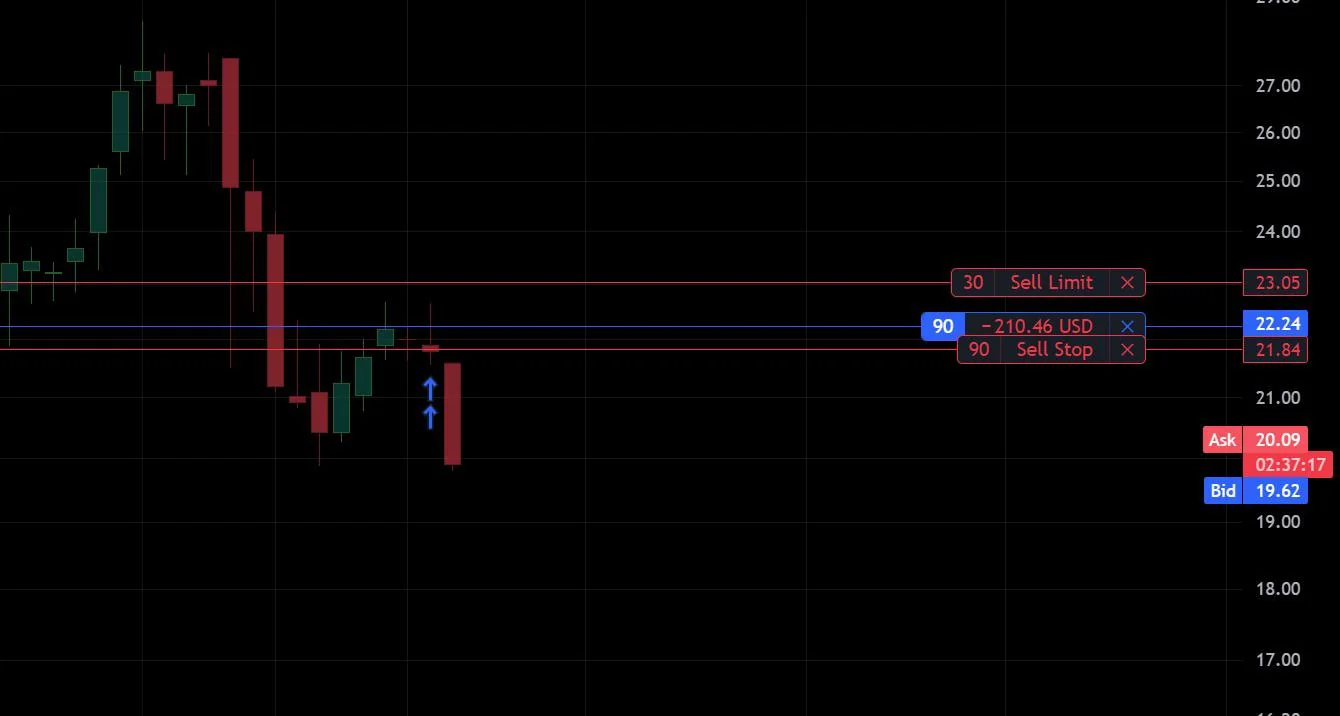
On a calm day, the gap between placing an order and seeing it filled is negligible enough to ignore. During a high-volatility event - a liquidation cascade, a major news release, a sudden volume spike - that gap widens, sometimes dramatically. Centralized exchange matching engines can queue orders under extreme load, and even a stop-loss triggered at the correct price can fill several ticks away from where the trader expected, simply because thousands of other orders are competing for the same liquidity in the same milliseconds.
This is distinct from normal slippage, which traders generally account for. It's an infrastructure bottleneck specific to moments of peak stress - precisely when a funded trader operating under a daily loss limit can least afford an unexpected fill.
Why This Matters More for On-Chain and DeFi-Adjacent Execution
Traders using or comparing platforms with any on-chain settlement component face an additional layer of this problem: network congestion. During periods of extreme market activity, blockchain networks themselves can experience delayed transaction confirmation and spiking gas fees, meaning an order or liquidation event dependent on on-chain settlement can lag behind the market it's trying to react to. A liquidation intended to happen at a specific price can execute several blocks later, at a materially worse level, purely because the underlying network was congested.
This is a structural reason centralized order execution, while it has its own tradeoffs, tends to behave more predictably during extreme volatility than infrastructure with an on-chain settlement dependency - a distinction traders rarely factor in when comparing where to execute large or time-sensitive trades.
What Traders Can Actually Do About It
Individual traders can't fix exchange infrastructure, but they can reduce their exposure to it:
- Avoid placing time-sensitive stop or take-profit orders in the minutes immediately following major scheduled news events, when order flow spikes are most predictable and congestion risk is highest
- Favor limit orders over market orders during known high-volatility windows, accepting a small chance of non-execution over a guaranteed fill at an unpredictable price
- When evaluating a trading platform, weight its track record during past high-volatility events (documented outages, delayed fills, liquidation disputes) more heavily than its advertised execution speed under normal conditions
Infrastructure as Part of Strategy, Not Just Backend Detail
Most trading education treats execution infrastructure as invisible plumbing that traders don't need to think about. In practice, it's a variable that behaves unpredictably at exactly the moments a funded account's daily loss limit is most exposed. Traders comparing where to hold a funded account should look past the profit split and evaluation rules to understand the market infrastructure behind execution, since this is what determines whether a stop-loss behaves the way the chart suggested it would during the moments that matter most.